
A new study proposes that electrical discharges generated during Martian dust storms could explain mysterious chemical and isotopic imbalances. The finding rewrites the story of how key—and dangerous—substances form on Mars.
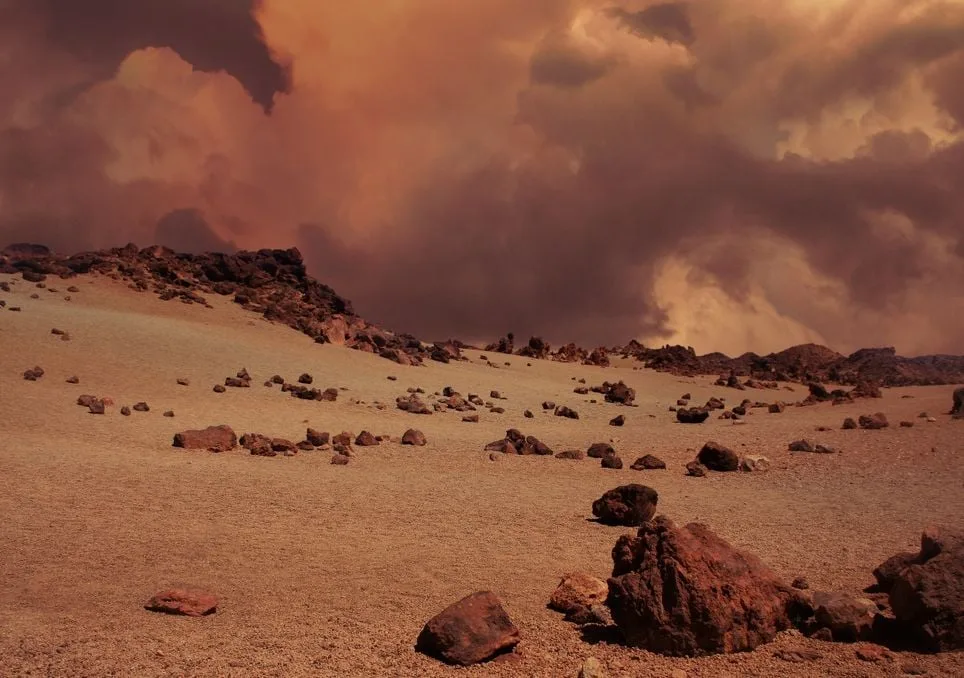 Dust storms on Mars can cover huge areas of the planet during certain seasons.
The chemistry of other worlds is not always like that of Earth. Here, many processes are well understood and typically rely on water and heat. Mars, on the other hand, lacks both in significant quantities, which has made the origin of some of its chemical compounds a subject of ongoing debate within the scientific community.
A new study led by Alian Wang and Neil Sturchio, researchers at Washington University in St. Louis and the University of Delaware, respectively, proposes a novel framework for understanding how chemical reactions occur on the red planet .
The study was recently published in the journal Earth and Planetary Science Letters and focuses on an unexpected, though familiar to earthlings, player: electricity .
The enigma of the missing isotopes
For years, various rovers and orbiters have detected a striking isotopic imbalance
Leave a Reply
You must be logged in to post a comment.