Practical steps to remain stable in unstable conditions.
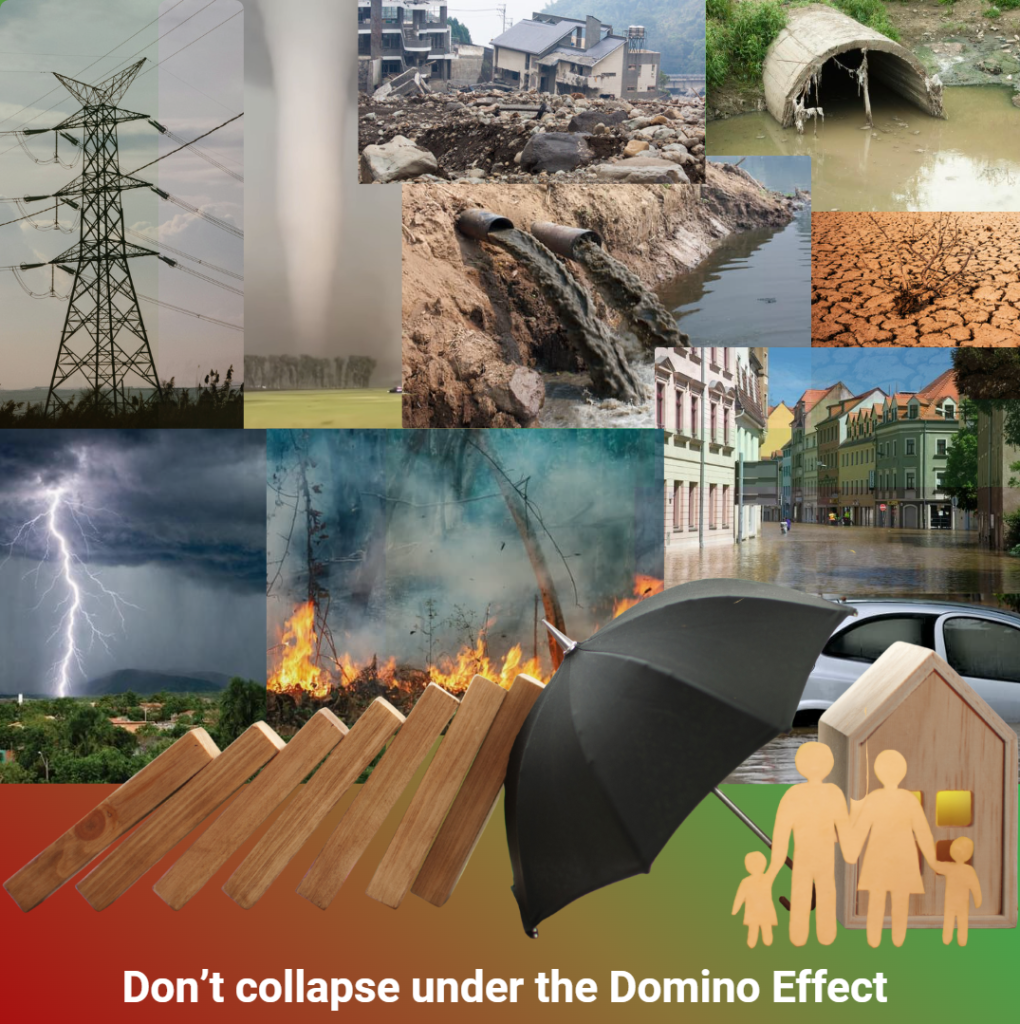
Modern life depends on complex systems working quietly in the background; energy networks, supply chains, digital communication, transport, and local infrastructure.
Most of the time these systems function reliably. Occasionally, however, severe weather, technical failure, or regional disruption interrupts normal services.
Civil resilience is about maintaining stability when those systems falter. Not through fear or extreme preparation, but through calm awareness and practical readiness.
Civil Resilience.
- Stay aware — understand the risks shaping your region.
- Stay supplied — keep basic food, water, and essentials ready.
- Stay connected — maintain trusted contacts and clear plans.
- Stay capable — build practical skills and calm decision habits.
- Stay cooperative — strengthen local networks and mutual support.
- Stay adaptive — review dependence on fragile systems and adjust gradually.
START HERE (15 MINUTES)
If you do nothing else, start here:
• Drinking water access
• Light & heat sources
• Communication method
• Basic food preparation
These four areas create immediate stability.
WHY IT MATTERS NOW.
Periods of disruption are no longer rare, isolated events.
They are becoming more frequent, more varied, and in some cases more interconnected.
Climate events, infrastructure strain, geopolitical tension, and supply chain fragility all contribute to environments where everyday services can be temporarily interrupted.
When disruption occurs, the difference between stress and stability is often measured in preparation.
WHAT CIVIL RESILIENCE MEANS IN PRACTICE.
Civil resilience is the ability to remain steady, informed, and functional during short-term disruption.
It does not require drastic lifestyle change.
It involves small, considered steps:
- Understanding local risks
- Maintaining essential supplies
- Having simple contingency plans
- Staying informed without becoming overwhelmed
- Being able to adapt calmly as situations change
These actions create time and space — the two things most often lost during unexpected events.
CIVIL RESILIENCE QUICK ACTIONS.
Start with simple, practical steps:
- Store a small supply of drinking water
- Maintain basic non-perishable food reserves
- Keep backup lighting and power sources
- Build a basic first aid capability
- Ensure access to reliable information during outages
- Keep essential documents accessible
- Maintain simple communication plans with family or contacts
These measures are not extreme.
They are practical foundations for maintaining normality when life’s everyday systems are temporarily disrupted.
Small actions taken in advance can significantly improve clarity, safety, and decision-making during disruption.
Preparedness is not about expecting the worst.
It is about reducing avoidable pressure when the unexpected occurs.
APPROACH TO RESILIENCE.
Δ27 approaches resilience through structured awareness.
By monitoring long-term global risk signals across environmental, societal, technological, and infrastructure domains, the project helps provide context for why resilience matters.
This broader perspective allows individuals to move beyond reactive thinking and towards informed, steady preparation.
MEMBER VALUE.
Registered members can access deeper resources designed to support practical resilience, including:
- Structured civil resilience checklists
- Expanded guidance documents
- Contextual briefings linked to Δ27 risk indicators
- Evolving tools to support preparedness and awareness
These resources are designed to remain grounded, practical, and usable in everyday life.
Resilience is therefore not a survivalist mindset or an isolated personal project. It is a shared civic responsibility grounded in cooperation, clear thinking, and long-term perspective. By preparing thoughtfully and engaging constructively with wider challenges, citizens help preserve continuity, stability, and therefore opportunity for the future.
The future is not a fixed destination. It is shaped continuously by the interaction between systems, environments, and human decisions.
Resilience begins with awareness, but it becomes meaningful through action.
Prepare today; help protect tomorrow.